
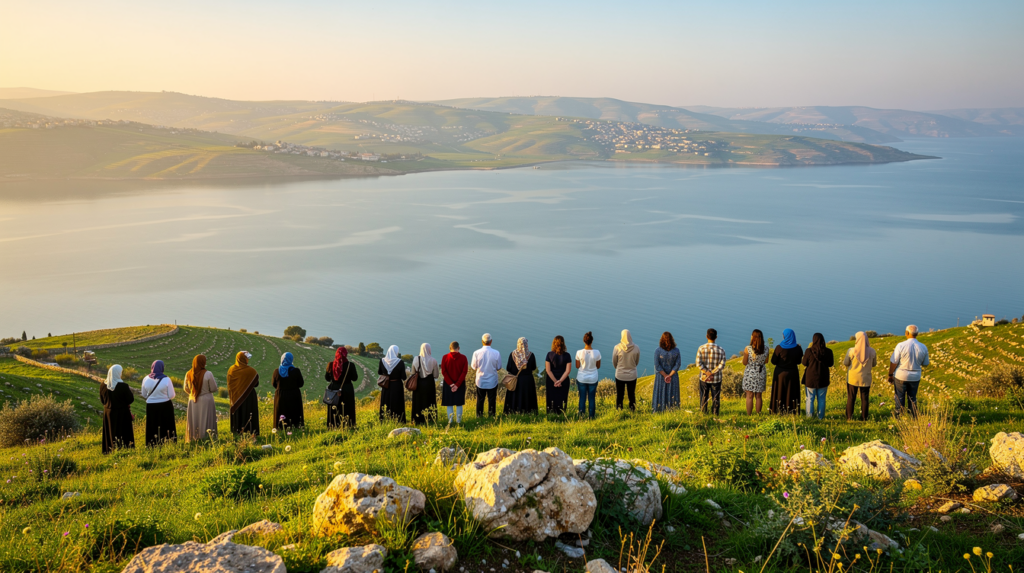
What is a Christian pilgrimage to Israel and why do people go?
A Christian pilgrimage to Israel is not a vacation in the conventional sense. It is a faith-centered journey built around the life, ministry, and resurrection of Jesus, with each stop chosen for its scriptural weight rather than its scenery. Travelers walk the same hillsides, shorelines, and stone streets described in the Gospels, seeking a spiritual journey to Israel rather than a checklist of attractions.
The practice has deep roots. Christian pilgrimage developed as a structured spiritual discipline since the early centuries of the church, when believers began traveling to sites tied to biblical events as an act of devotion and remembrance. That tradition continues largely unchanged in purpose, even as transportation and logistics have modernized.
Ordinary sightseeing moves quickly from photo to photo. A Holy Land pilgrimage moves slowly, with time built in for Scripture reading, silent prayer, and reflection at each sacred site. The difference is not the itinerary itself but the intention behind it: a faith journey measures its success in personal renewal, not in how many locations were checked off.
What are the most important Christian holy sites in Israel to visit?
Israel's biblical sites cluster into distinct regions, and grouping them geographically prevents wasted travel time. Most itineraries move from the north to the south, following the arc of Jesus's ministry rather than jumping between distant points repeatedly.
Galilee, the Jordan Valley, and Jerusalem
Nazareth Christian sites mark the early years, while Capernaum and the Mount of Beatitudes anchor the public ministry period around the Sea of Galilee pilgrimage route. Further south, the Jordan Valley holds traditional baptismal sites along the river, carrying particular symbolic weight for pilgrims marking or renewing their own baptism. Jerusalem concentrates the most emotionally intense stops: the Via Dolorosa, the Garden of Gethsemane, the Mount of Olives, and the area surrounding the Church of the Holy Sepulchre, making it the natural final destination for most Christian sites in Jerusalem itineraries.
Bethlehem carries its own architectural and spiritual weight. The Church of the Nativity is recognized as a UNESCO World Heritage site and remains a cornerstone stop for first-time pilgrims, anchoring Bethlehem pilgrimage plans alongside the surrounding pilgrimage route through the old town.
| Region | Key Sites | Spiritual Focus |
|---|---|---|
| Galilee | Nazareth, Capernaum, Mount of Beatitudes | Early life and public ministry |
| Jordan Valley | Traditional baptismal sites | Baptism and renewal |
| Jerusalem | Via Dolorosa, Gethsemane, Mount of Olives | Passion and resurrection |
| Bethlehem | Church of the Nativity | Birth narrative |
Complete Guide to Planning a Christian Pilgrimage to Israel
Effective Holy Land travel planning starts with sequencing: deciding which region comes first, how many nights are needed per site cluster, and how much walking each day realistically allows. A well-built Israel pilgrimage itinerary balances devotional time with the physical reality of long travel days.
Group tour or independent travel
A guided pilgrimage offers logistical support, vetted guides, and a fixed schedule that removes decision fatigue. Solo Christian travel Israel appeals to those who want flexibility and a slower pace, but it requires more research into transportation, site access hours, and religious scheduling around Sabbath closures.
A balanced 8-day pattern typically begins in the Galilee, descends through the Jordan Valley, and finishes with several days in Jerusalem, allowing spiritual intensity to build gradually toward the Passion narrative sites. For a custom pilgrimage itinerary, this order can be adjusted, but abrupt region-hopping usually adds unnecessary travel hours.
Organizers of church or group trips can also request an official certificate of pilgrimage through Israeli tourism authorities, a practical detail worth including in early planning conversations. Beyond logistics, the most common planning mistake is overpacking the schedule. A first-time Holy Land trip needs built-in space for rest, unstructured prayer, and unplanned conversation at sacred sites.
When is the best time to visit Israel for Christians?
Weather, crowd size, and cost move together throughout the year, and choosing the best time to visit Israel for Christians usually means weighing all three at once rather than focusing on one factor alone.
Spring and autumn bring moderate temperatures that suit long days of walking on uneven biblical paths, making these seasons popular for a Bible lands tour. Summer travel means higher heat, particularly in the Jordan Valley and around the Dead Sea, requiring earlier starts and midday rest breaks. Winter shortens daylight hours and can bring rain to Jerusalem and Galilee, which shifts outdoor site visits earlier in the day.
Israel pilgrimage cost fluctuates with these seasonal patterns. Peak holiday periods, particularly around major international Christian celebrations, bring higher hotel rates and busier holy sites, while shoulder-season travel tends to offer better value for religious travel Israel planning without a major drop in comfort.
Visit the business website through the attached link: talyatours.com.
What should you pack and how should you prepare physically and spiritually?
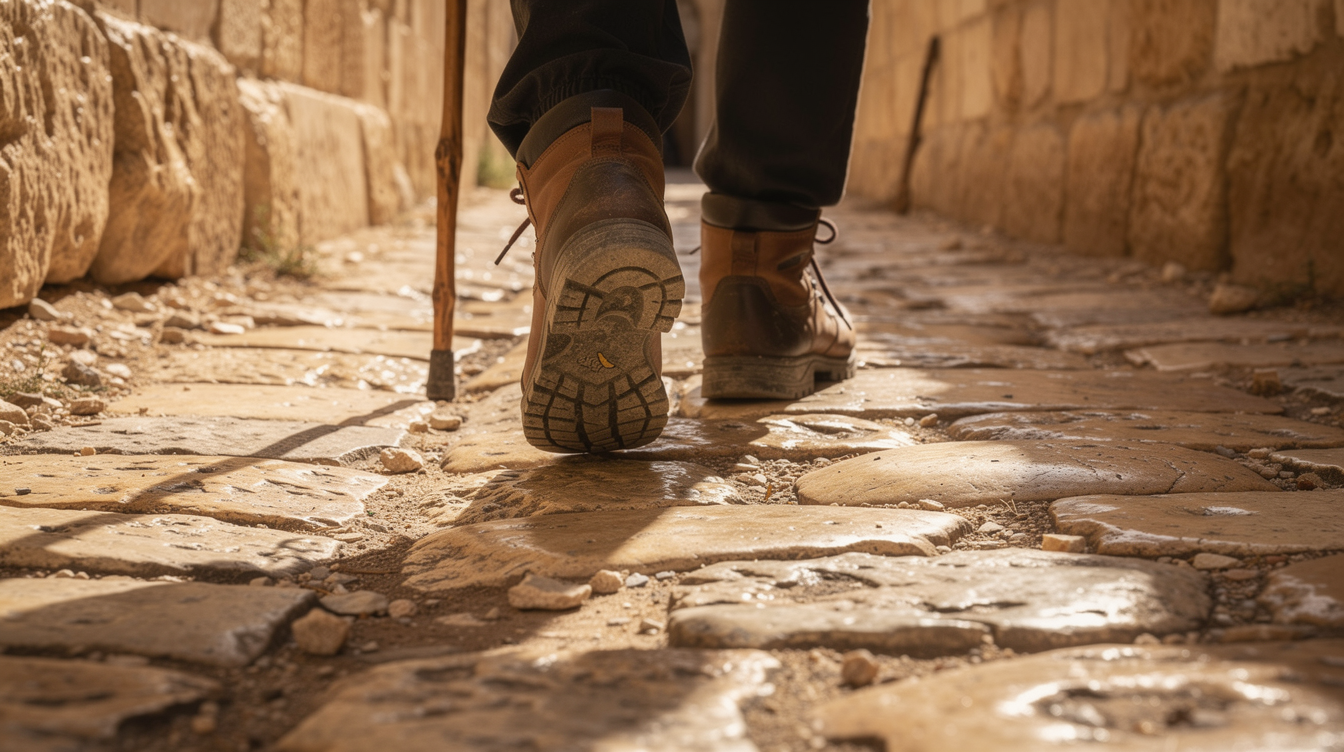
Many of the sites tied to the life of Jesus involve uneven stone terrain, steps, and long stretches of walking, so physical preparation matters as much as spiritual readiness. A basic pilgrimage packing list should prioritize supportive, broken-in footwear, layered clothing for temperature swings between morning and midday, and modest dress for holy sites, since several churches and shrines enforce covered shoulders and knees.
Inside active places of worship, etiquette follows a few consistent rules: lowered voices, restricted photography in certain chapels, and awareness of which denomination oversees a given site, since practices vary between Orthodox, Catholic, and Protestant spaces sharing the same building. Pilgrims aiming to walk where Jesus walked benefit from basic scriptural geography knowledge beforehand, so each stop connects to a specific passage rather than a generic historical marker.
Spiritual preparation often starts weeks before departure, through reading the Gospel passages tied to each planned site, joining a short church study group, or keeping a travel journal ready for daily reflections during the trip itself.
How can church groups organize a successful Pilgrimage?
Church trip to Israel planning usually begins with a gauge-of-interest meeting, followed by a firmer commitment period once enough participants confirm, and finally a registration and deposit phase several months before departure. This timeline gives church pilgrimage planning enough runway to secure guides and hotel blocks during favorable seasons.
Coordinating with an experienced local operator helps with pacing decisions, matching a professional guide to the group's theological background, and building senior-friendly routing that avoids excessive stair climbing or long unshaded walks. Christian group travel Israel also requires basic risk management: travel insurance confirmation, a shared medical information sheet for the group leader, clear deposit and cancellation terms, and a simple daily communication plan for those not traveling with mobile data.
A strong Christian pilgrimage guide also builds in modern cultural moments alongside ancient sites, such as tasting regional food in Nazareth or visiting a contemporary Israeli landmark, giving a Christian heritage tour some balance between the historical and the present-day.
How many days should a first Holy Land trip last?
Most first-time itineraries run between seven and ten days, enough to cover Galilee, the Jordan Valley, Bethlehem, and Jerusalem without rushing between sites.
Is it safe to travel independently as a Christian pilgrim?
Independent travel is common and generally manageable, though it requires more research into transportation schedules, religious holiday closures, and site opening hours than a guided pilgrimage.
Do church groups need special permits for large pilgrimages?
Large groups typically coordinate through a licensed tour operator, who handles site access, guide licensing, and any official pilgrimage documentation on the group's behalf.
What is the biggest scheduling mistake first-time pilgrims make?
Overpacking each day with too many stops is the most common error, leaving little room for rest, prayer, or unplanned moments at meaningful sites.
About the Business
Talya Tours is a professional tour operator specializing in custom-tailored travel experiences to Israel and the Holy Land for Christian pilgrims, religious groups, business travelers, and individual tourists from around the globe. The company focuses on personalized travel planning, coordinated logistics, and professional guiding services designed to suit groups, families, and solo pilgrims seeking a spiritually enrichingly planned itinerary across the region.